

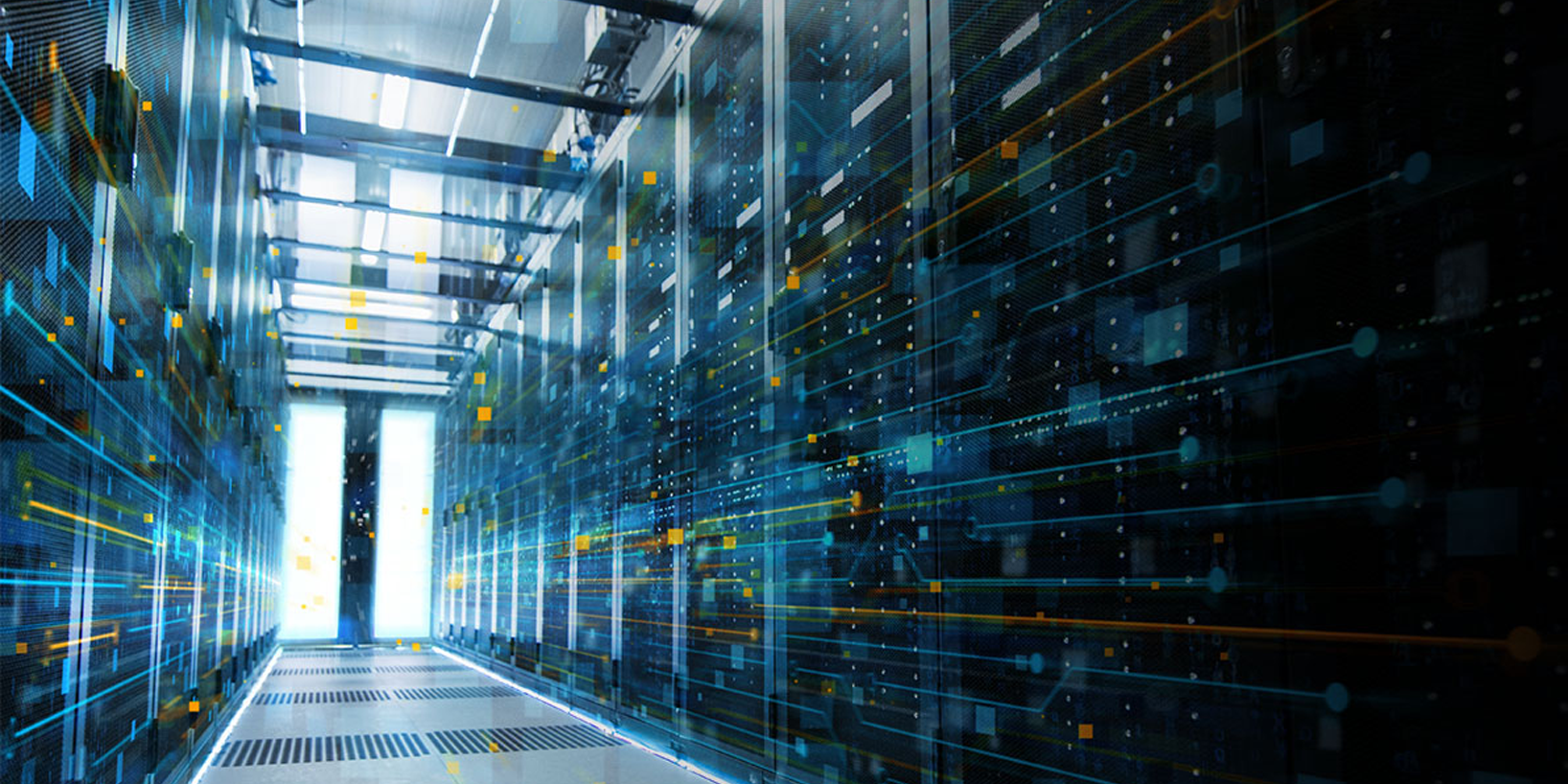
For companies that have started digital transformation, the amount of data generated sometimes makes the computing system overwhelming. To optimize local data management, edge computing can be an attractive option. Since edge computing is a computing system that processes all data traffic as close to the source as possible to reduce latency and bandwidth usage, briefly speaking, edge computing is a computing process that can reduce the data processing route from on-premises and Internet of Things (IoT) devices to cloud systems.
In other words, edge computing is a part that is closely related to IoT, where the data transmission process is carried out as close as possible from the data producer to the micro data center.
As we know, IoT devices are highly dependent on internet connections to transmit data in real-time over a long period of time. If data traffic is blocked, the impact will be very fatal for decision makers.
Minimizing Downtime Risk
With edge computing, the risk of delays in data transmission can be overcome. In short, edge computing is almost the same as cloud computing, but on a micro scale.Line a factory in a remote location, instead of sending information to a data center in Jakarta, the factory will send data to the nearest branch office using SD-WAN technology.In 2019, Gartner predicted that by 2025, 75 percent of enterprise data will be processed using edge computing systems. The high enthusiasm of the company to carry out digital transformation amid the Covid-19 pandemic which began to hit in early 2020 will of course make this prediction more ensured.
The use of edge computing turns out to be very suitable for the conditions faced by companies. Tech Research Asia survey stated that the use of edge computing can reduce operational costs by up to 46 percent by saving bandwidth costs which considered to be unstable.This dispels the notion that edge computing is just a trend. In fact, it is proven that data processing solution helps enterprises overcome latency, operational demands, and security issues, especially in today’s environment.
Edge computing technology allows every company to have many branches in various regions to manage their device data quickly. For this reason, supporting infrastructure is essential to be able to provide optimal services in SaaS (Software as a Service), PaaS (Platform as a Service), and in IaaS (Infrastructure as a Service) thus data center infrastructure becomes an important and main thing to note.
From the edge computing capabilities aspect, this technology is predicted to increase security, reliability, and modernize the company’s digital infrastructure but at a more affordable cost.
Challenges to Edge Computing
Although it can be a reliable and efficient data processing solution, the application of edge computing technology has its own challenges. Many companies are using non-standardized edge computing, which will eventually complicate the integration process.For large-scale edge data center application, it is important to pre-configure locations with micro data centers. Besides, plug and play installation is also required. Micro data centers should be designed for minimal maintenance as their locations may be difficult to access and costly.
For these challenges, it is very important for companies to choose the right partners when starting to carry out digital transformation in the field of edge computing. The partners should have already had solutions and portfolios that suit the company’s future needs.


The Telkom Hub
Kav. 52 Jl. Jendral Gatot Subroto
Lantai 41
Jakarta Selatan 12710


.jpg)
.jpg)
.jpg)